Case File 04 of 10
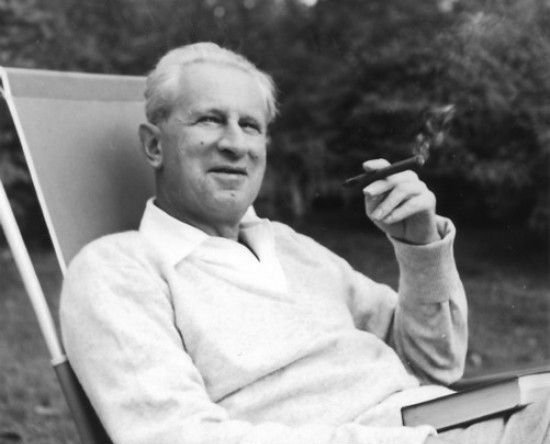
1961-1967Marcuse and Repressive TolerancePermission

The long march explains how a movement enters an institution. It leaves open why some of the same people started building bombs. That took a separate argument, and by 1969 the argument had been available in English, in America, for years.
The first argument came from Frantz Fanon. The Wretched of the Earth appeared in 1961 and argued that colonial rule had deformed the colonized, and that only counterviolence could undo the damage. "At the individual level, violence is a cleansing force," Fanon wrote. "It rids the colonized of their inferiority complex, of their passive and despairing attitude. It emboldens them, and restores their self-confidence."1
Marcuse made the same case for an American audience in 1965. In "Repressive Tolerance," he accepted that his proposal amounted to the "'official' promotion of subversion," and framed the choice ahead as "the calculated choice between two forms of political violence": the violence of constituted authority, and that of "potentially subversive movements." Oppressed minorities, he argued, held a "'natural right' of resistance" entitling them to extralegal means once legal ones failed, "because law and order are always and everywhere the law and order which protect the established hierarchy."2
He was writing a permission slip.
Then came a method to go with the permission. In January 1966, in his message to the Tricontinental Conference in Havana, Che Guevara argued that beating American power would take "two, three, many Vietnams." The following year Regis Debray published Revolution in the Revolution?, which turned the argument into a technique. Debray's focos were "small, mobile cells of disciplined guerrillas" that would strike and vanish, then recruit and train further focos, until enough of them existed to combine into an army.3
Three arguments, none of them American, all of them in American bookshops before the movement split. A claim that violence would repair the people who used it, a right to resist outside the law, and a blueprint for organizing it.
Sources
Every quotation was read in the document it comes from. Where editions differ, the edition consulted is named.
- The Wretched of the EarthGrove Press, New YorkFull citationFrantz Fanon, The Wretched of the Earth, Richard Philcox translation, Grove Press. Read in the Philcox text; the older Constance Farrington translation renders the same passage differently, and the wording above is Philcox. Fanon was writing about colonial Algeria, not about America. His American readers in the 1960s applied him to America, which is the reason he appears here. Movement source. ↩
- Full citationHerbert Marcuse, Repressive Tolerance, 1965. Movement source. ↩
- Full citationGuevara's "Message to the Tricontinental," January 1966, and Regis Debray, Revolution in the Revolution?, Grove Press, New York, 1967, both as described in Daniel S. Chard, Nixon's War at Home: The FBI, Leftist Guerrillas, and the Origins of Counterterrorism. The description of the foco, including the phrase quoted, is Chard's. The Debray excerpt held here confirms the Grove Press edition and the year, which is the point that matters: the book reached American readers in English in 1967, two years before the split. Academic source. ↩